Why a tactical fitness vest?
A tactical fitness vest is a practical tool for building functional strength, improving posture, and increasing calorie burn on walks, rucks, and circuits. I write this from field experience as an ISSA-certified trainer: a properly fit vest forces better core engagement and turns ordinary cardio into effective load-bearing work.
Who should use one
Beginners who want more intensity than bodyweight walks can handle, operators and outdoor athletes building load-carrying resilience, and anyone recovering lost ground in fitness will benefit. If you’re new, start light and focus on movement quality.
Fit, comfort, and vest selection
Comfort determines whether you wear the vest twice a week or twice a year. Look for a low-profile plate pocket or removable weight pouches, adjustable straps, and padding over the shoulders and sternum.
- Chest and torso fit: the vest should sit snug on your torso without pinching breathing or digging into your shoulders.
- Adjustability: multiple straps let you fine-tune the load position; higher and tighter for running, lower for long rucks.
- Modular loading: choose a vest that accepts plates or soft weights so you can progress by small increments.
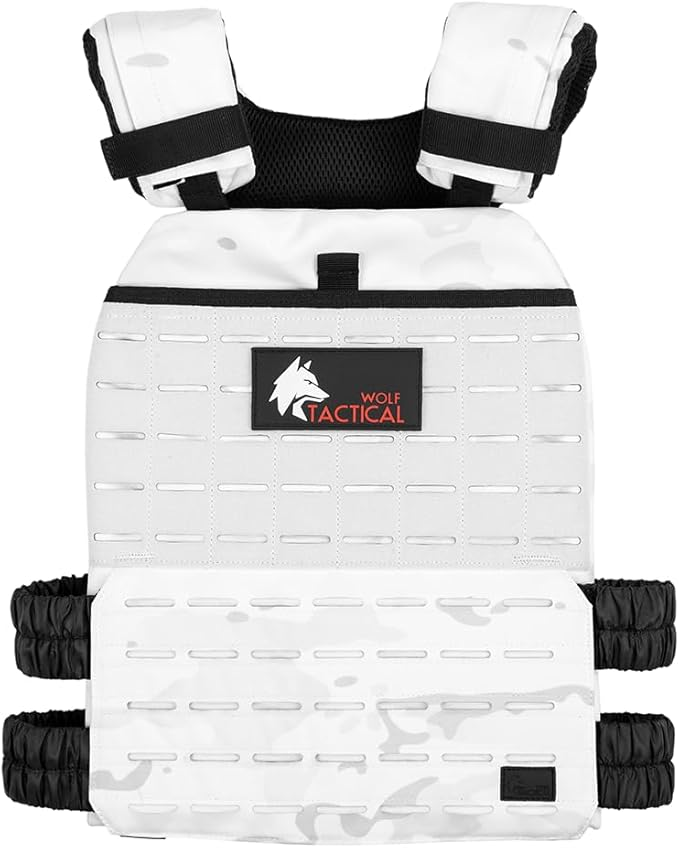
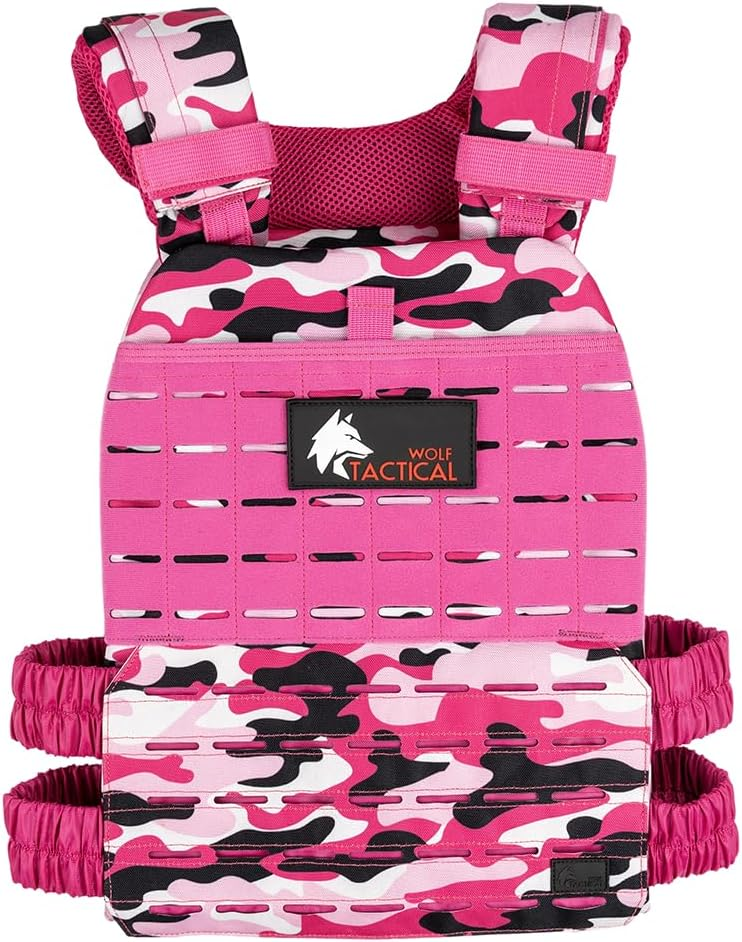
For comfort-first choices, I often recommend the Wolf Tactical Weighted Vest or the 5.11 Tactical TacTec Trainer Weight Vest because they balance padding, adjustability, and price.


Programming and progression
Start with weight equaling 5–10% of your bodyweight for walking and 10–15% for short circuits. Use the following progression plan:
- Weeks 1–2: 2–3 sessions of 20–30 minutes, focus on posture and breath with light loads.
- Weeks 3–6: increase session time to 45–60 minutes or add 5–10% more load when form is solid.
- Weeks 7+: mix in interval rucks, hill repeats, and slow-conditioning long walks with steady load increases of 5–10% every 3–4 weeks.
Sample workout
Warm up 10 minutes, then 3 rounds: 400m ruck/walk, 10 push-ups, 15 slow squats (with vest), rest 90s. Finish with a 10-minute cooldown and breathing drills.
Safety, posture, and common mistakes
Keep shoulders back, engage the lats, and avoid leaning forward from the hips. If you experience sharp pain, drop the load and reassess. Progress more slowly if you have prior spine or shoulder issues.
- Don’t let the vest slide—adjust straps so the load is stable.
- Mix in soft mobility work for hips and thoracic spine weekly.
- Hydrate, especially on longer rucks; consider an endurance supplement if you’re doing multi-hour efforts.
Calculate calorie burn and plan weight goals
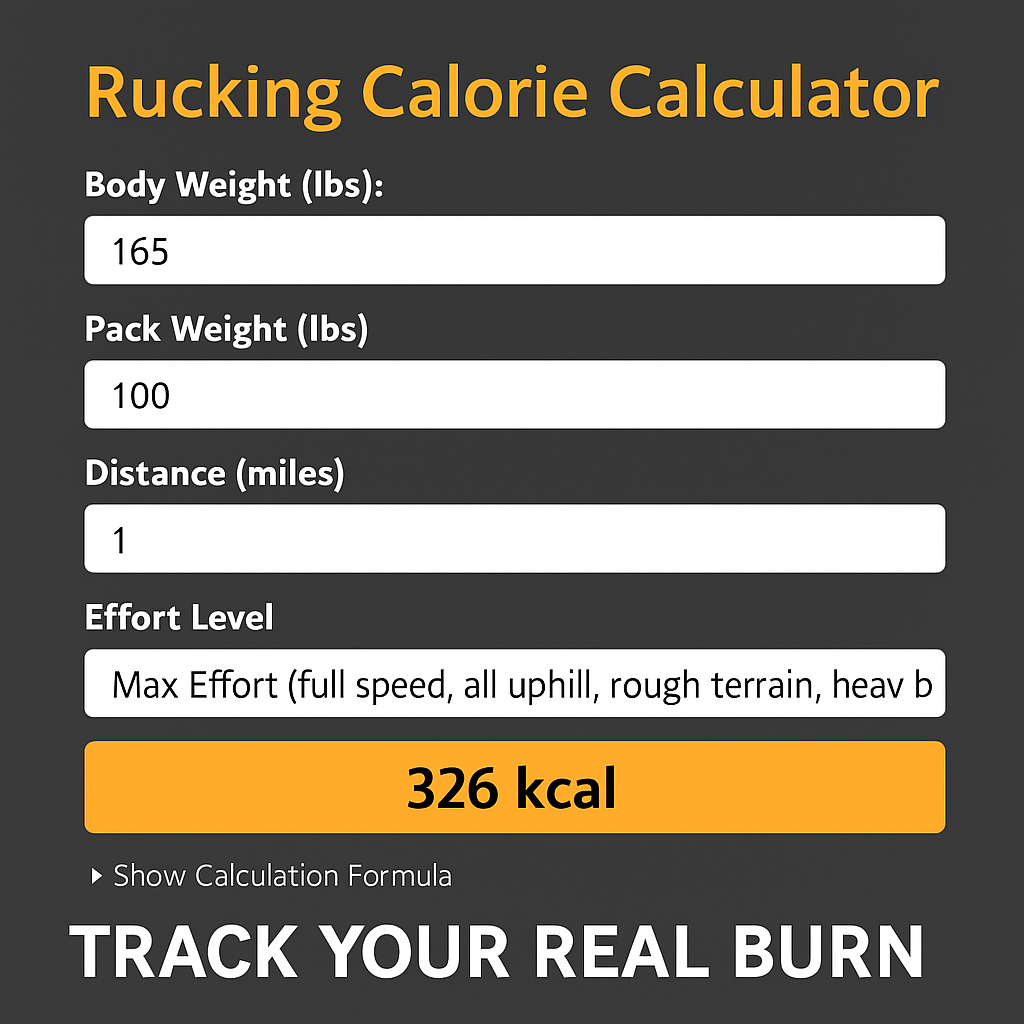
Use the rucking calorie calculator to estimate how many calories a loaded walk burns and to plan weekly energy deficits or maintenance targets. That calculator is tuned for weighted vests and rucks and helps you set realistic targets without guesswork.

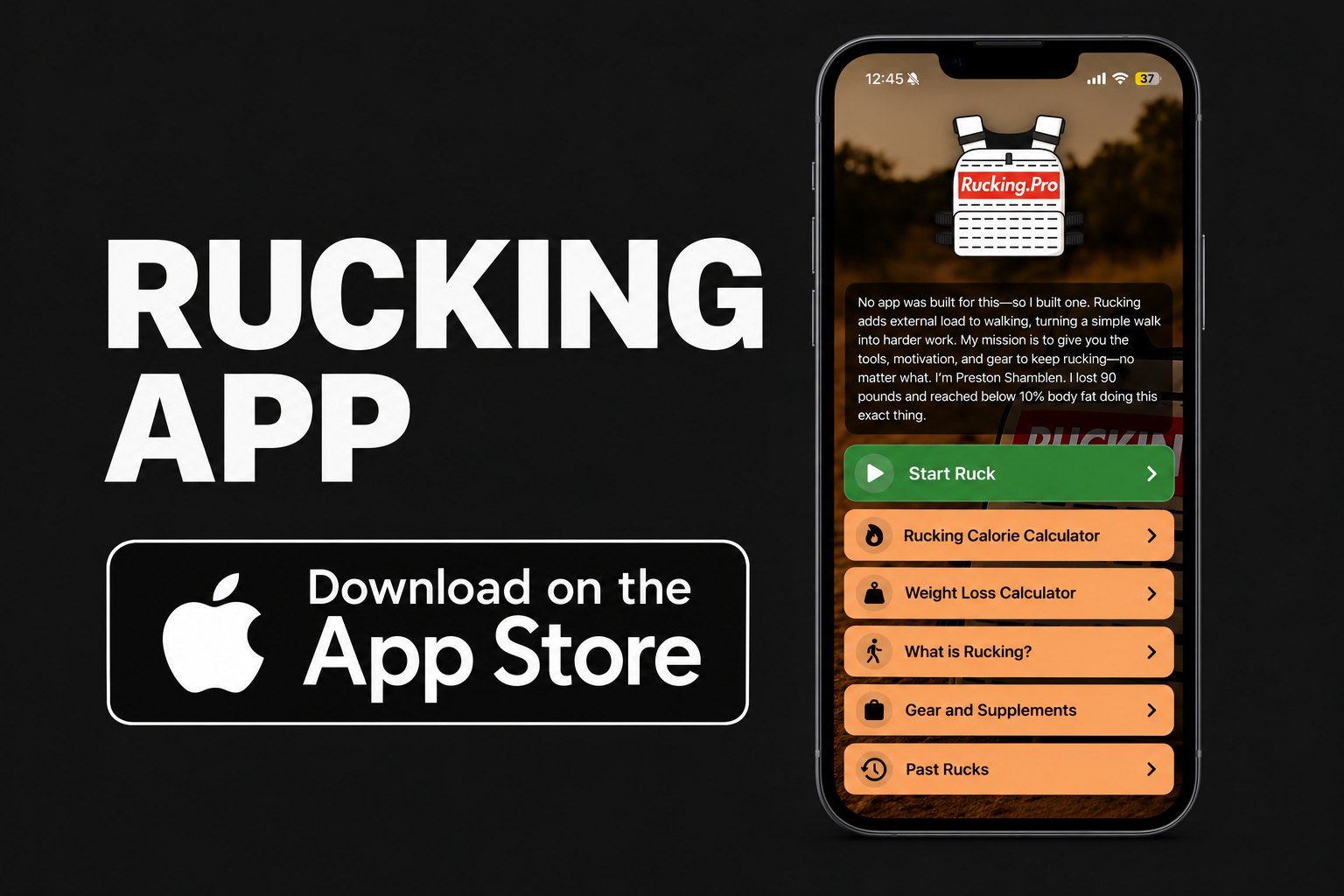
I’m Preston Shamblen, ISSA-certified trainer. I lost 90 lbs with consistent rucking, weighted-vest work, and disciplined nutrition, and I still recommend a tactical fitness vest as one of the most reliable ways to maintain lower body weight and keep steady fat-burning progress.
Final tips
- Prioritize fit before load. A comfortable vest gets used; an uncomfortable one collects dust.
- Log sessions and weight; small, consistent increases beat big jumps and injuries.
- Pair vest work with strength days and mobility sessions for balanced development.
When you need a straightforward estimate of the calories you’re burning on loaded walks or rucks, try the rucking calorie calculator linked above and use measured progress to guide your next weight increase.